 تويت
تويت


المطلب الثالث
أحكام في الزنى والاغتصاب
فقه المصطلحات
كلمة اغتصاب rape في القاموس العبري تأتي في كلمتين.
كلمتي taphas و shakab
المقروء (קרי) والمكتوب (כתיב)
فقه المصطلحات
ونحن نتحدث عن عقوبة الزنا وقبل أن نتناول بعض النماذج هناك مصطلحات مهمة يتعين على القارئ معرفتها ودراستها حتى يتمكن من دراسة النص محل الشبهة..
ومن هذه المصطلحات:
أولاً: معرفة الفرق بين مصطلحي القيري (QERE)، والكتيف (KETHIV)
ثانياً: مصطلح تعديلات النساخ. أي تكون سوفريم (Tiqqune Sopherim תיקון סופרים )
فمصطلحي القيري (QERE)، والكتيف (KETHIV) هما مصطلحين عبريين يعنيان المقروء (קרי) والمكتوب (כתיב)، فالمقروء هو ما يسمي بالقيري QERE קרי والمكتوب هو الكتيف כתיב KETHIV ويستخدمان من قبل النساخ في المخطوطات وذلك عند التعامل مع الفاظ الجلالة، أو التعويض بكلمات من عندهم عن ألفاظ غير محتشمة أو بذيئة وردت في الكتاب المقدس وتسبب إحراج للقارئ الأمر الذي يدفعهم إلى التعديل سواء بالحذف أو الإضافة.
ومدلول ذلك هو وجود كلمة في نص المخطوطة تكتب تحت رسم معين وهذا الذي يقصد به كتيف، فتعبر عن رسمها وما هو موجود في المخطوطة وهي يرمز لها بدائرة صغيرة فوق الكلمة، ولكن حينما يمر عليها القارئ فلا يقرأها برسمها وإنما يتم استخدام كلمة اخرى بديلة وهو ما يسمي بالمقروء קרי أو قيري والذي يرمز له بحرف القاف في العبرية ק .
والقراءة الهامشية قيري קרי هي القراءة الصحيحة - في الغالب - أو القراءة الأصلية، وعادة ما لجأ نساخ العهد القديم لاستخدام أسلوب الكتيف والقيري لتناسب طبيعة ذكر الأسماء المقدسة وهو ما يتبعه اليهود في عدم قول لفظ الجلالة، أو لتخفيف وطأة بعض التعبيرات غير المهذبة او التي تحمل بعض العدوانية :
ومن كتاب: For As It Is Written لمؤلفه G. M. Dillard
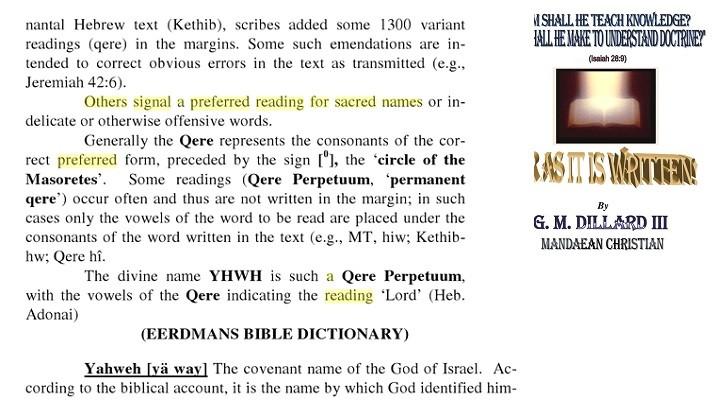
يقول ص116
nantal Hebrew text (Kethib), scribes added some 1300 variant readings (qere) in the margins. Some such emendations are intended to correct obvious errors in the text as transmitted (e.g., Jeremiah 42:6)
. Others signal a preferred reading for sacred names or indelicate or otherwise offensive words. Generally the Qere
ويهمنا هنا هو قوله:
Others signal a preferred reading for sacred names or indelicate or otherwise offensive words
الترجمة: ودلالة أخرى لاستخدام الكتيف والقيري هو الاستخدام للتعامل مع الفاظ الجلالة أو التعويض عن ألفاظ غير محتشمة أو عدوانية.
An image from the Masoretic Aleppo Codex of Deuteronomy 33, containing a qere and ketiv in the second column, the fifth line, the second word (33:9). The ketiv is "Beno" - "his son" בְּנוֹ, while the qere is "banaw" - "his children" בָּנָיו.
Qere and Ketiv, from the Aramaic qere or q're, קְרֵי ("[what is] read") and ketiv, or ketib, kethib, kethibh, kethiv, כְּתִיב ("[what is] written"), also known as "keri uchesiv" or "keri uchetiv," refer to a small number of differences between what is written in the consonantal text of the Hebrew Bible, as preserved by scribal tradition, and what is read. In such situations, the Qere is the technical orthographic device used to indicate the pronunciation of the words in the Masoretic text of the Hebrew language scriptures (Tanakh), while the Ketiv indicates their written form, as inherited from tradition.
The word קרי is often pointed קְרִי and pronounced "kri" or "keri", reflecting the
opinion that it is a passive participle rather than an imperative. This is reflected in the Ashkenazi pronunciation "keri uchesiv" mentioned above
The Qere/Ketiv – What is this?
“Qere” (ְקרֵי ) is the passive form of the Aramaic verb meaning “read.” Likewise, “Ketiv” (ְּכתִיב ) is Ara- maic for “written.” When the reader is to substitute a different word or pronunciation for a word in the written text, a circule is placed over the word in the text to alert the reader that the word written in the margin is to be substituted. Further, as an aid to the reader, the vocalization and (sometimes) the accentu- ation signs (ִמים ַע טַ) placed on the word in the text are actually those which are to be used when reading the substitute word given in the margin marked by a dotted ק or sometimes קר or קרי (see Fig. 1).
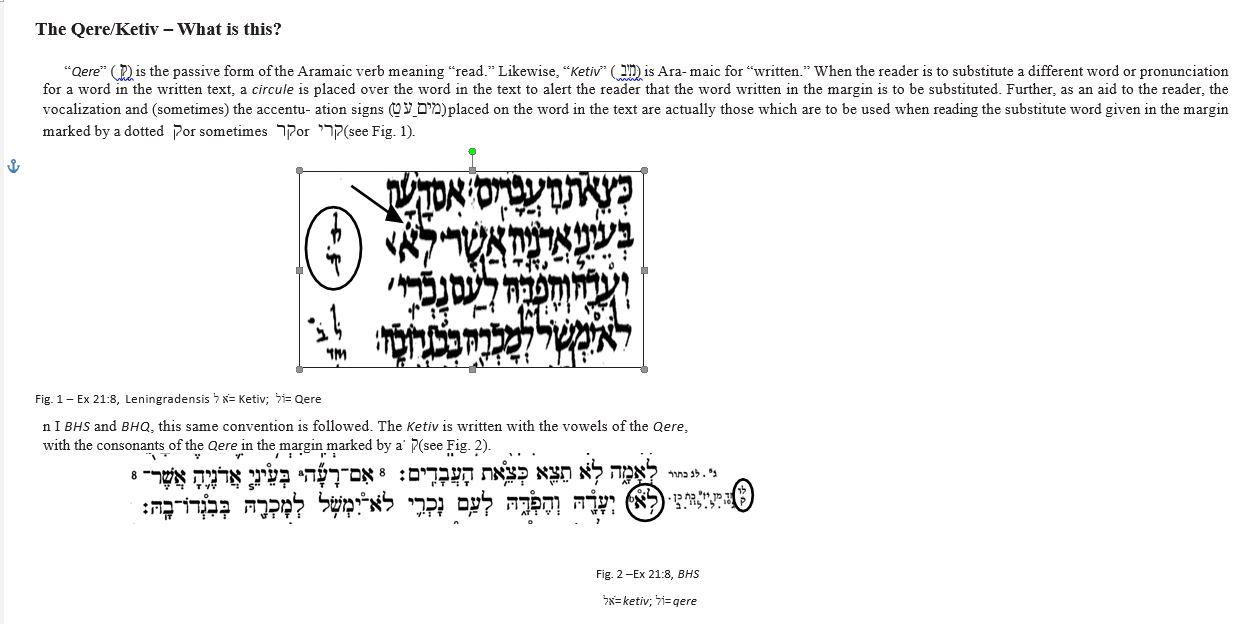
Fig. 2 –Ex 21:8, BHS
ֹא ל = ketiv; וֹל = qere
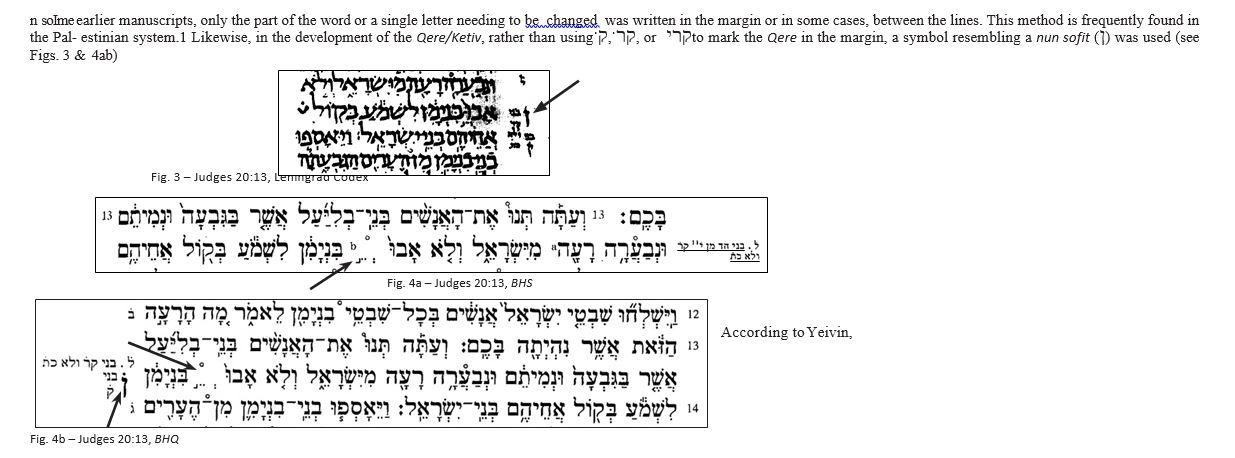
n soIme earlier manuscripts, only the part of the word or a single letter needing to be changed was written in the margin or in some cases, between the lines. This method is frequently found in the Pal- estinian system.1 Likewise, in the development of the Qere/Ketiv, rather than using ̇ק, ̇קר, or קרי to mark the Qere in the margin, a symbol resembling a nun sofit (ן) was used (see Figs. 3 & 4ab)
أحكام في الزنى والاغتصاب
فقه المصطلحات
كلمة اغتصاب rape في القاموس العبري تأتي في كلمتين.
كلمتي taphas و shakab
المقروء (קרי) والمكتوب (כתיב)
فقه المصطلحات
ونحن نتحدث عن عقوبة الزنا وقبل أن نتناول بعض النماذج هناك مصطلحات مهمة يتعين على القارئ معرفتها ودراستها حتى يتمكن من دراسة النص محل الشبهة..
ومن هذه المصطلحات:
أولاً: معرفة الفرق بين مصطلحي القيري (QERE)، والكتيف (KETHIV)
ثانياً: مصطلح تعديلات النساخ. أي تكون سوفريم (Tiqqune Sopherim תיקון סופרים )
فمصطلحي القيري (QERE)، والكتيف (KETHIV) هما مصطلحين عبريين يعنيان المقروء (קרי) والمكتوب (כתיב)، فالمقروء هو ما يسمي بالقيري QERE קרי والمكتوب هو الكتيف כתיב KETHIV ويستخدمان من قبل النساخ في المخطوطات وذلك عند التعامل مع الفاظ الجلالة، أو التعويض بكلمات من عندهم عن ألفاظ غير محتشمة أو بذيئة وردت في الكتاب المقدس وتسبب إحراج للقارئ الأمر الذي يدفعهم إلى التعديل سواء بالحذف أو الإضافة.
ومدلول ذلك هو وجود كلمة في نص المخطوطة تكتب تحت رسم معين وهذا الذي يقصد به كتيف، فتعبر عن رسمها وما هو موجود في المخطوطة وهي يرمز لها بدائرة صغيرة فوق الكلمة، ولكن حينما يمر عليها القارئ فلا يقرأها برسمها وإنما يتم استخدام كلمة اخرى بديلة وهو ما يسمي بالمقروء קרי أو قيري والذي يرمز له بحرف القاف في العبرية ק .
والقراءة الهامشية قيري קרי هي القراءة الصحيحة - في الغالب - أو القراءة الأصلية، وعادة ما لجأ نساخ العهد القديم لاستخدام أسلوب الكتيف والقيري لتناسب طبيعة ذكر الأسماء المقدسة وهو ما يتبعه اليهود في عدم قول لفظ الجلالة، أو لتخفيف وطأة بعض التعبيرات غير المهذبة او التي تحمل بعض العدوانية :
ومن كتاب: For As It Is Written لمؤلفه G. M. Dillard
يقول ص116
nantal Hebrew text (Kethib), scribes added some 1300 variant readings (qere) in the margins. Some such emendations are intended to correct obvious errors in the text as transmitted (e.g., Jeremiah 42:6)
. Others signal a preferred reading for sacred names or indelicate or otherwise offensive words. Generally the Qere
ويهمنا هنا هو قوله:
Others signal a preferred reading for sacred names or indelicate or otherwise offensive words
الترجمة: ودلالة أخرى لاستخدام الكتيف والقيري هو الاستخدام للتعامل مع الفاظ الجلالة أو التعويض عن ألفاظ غير محتشمة أو عدوانية.
An image from the Masoretic Aleppo Codex of Deuteronomy 33, containing a qere and ketiv in the second column, the fifth line, the second word (33:9). The ketiv is "Beno" - "his son" בְּנוֹ, while the qere is "banaw" - "his children" בָּנָיו.
Qere and Ketiv, from the Aramaic qere or q're, קְרֵי ("[what is] read") and ketiv, or ketib, kethib, kethibh, kethiv, כְּתִיב ("[what is] written"), also known as "keri uchesiv" or "keri uchetiv," refer to a small number of differences between what is written in the consonantal text of the Hebrew Bible, as preserved by scribal tradition, and what is read. In such situations, the Qere is the technical orthographic device used to indicate the pronunciation of the words in the Masoretic text of the Hebrew language scriptures (Tanakh), while the Ketiv indicates their written form, as inherited from tradition.
The word קרי is often pointed קְרִי and pronounced "kri" or "keri", reflecting the
opinion that it is a passive participle rather than an imperative. This is reflected in the Ashkenazi pronunciation "keri uchesiv" mentioned above
The Qere/Ketiv – What is this?
“Qere” (ְקרֵי ) is the passive form of the Aramaic verb meaning “read.” Likewise, “Ketiv” (ְּכתִיב ) is Ara- maic for “written.” When the reader is to substitute a different word or pronunciation for a word in the written text, a circule is placed over the word in the text to alert the reader that the word written in the margin is to be substituted. Further, as an aid to the reader, the vocalization and (sometimes) the accentu- ation signs (ִמים ַע טַ) placed on the word in the text are actually those which are to be used when reading the substitute word given in the margin marked by a dotted ק or sometimes קר or קרי (see Fig. 1).
Fig. 2 –Ex 21:8, BHS
ֹא ל = ketiv; וֹל = qere
n soIme earlier manuscripts, only the part of the word or a single letter needing to be changed was written in the margin or in some cases, between the lines. This method is frequently found in the Pal- estinian system.1 Likewise, in the development of the Qere/Ketiv, rather than using ̇ק, ̇קר, or קרי to mark the Qere in the margin, a symbol resembling a nun sofit (ן) was used (see Figs. 3 & 4ab)

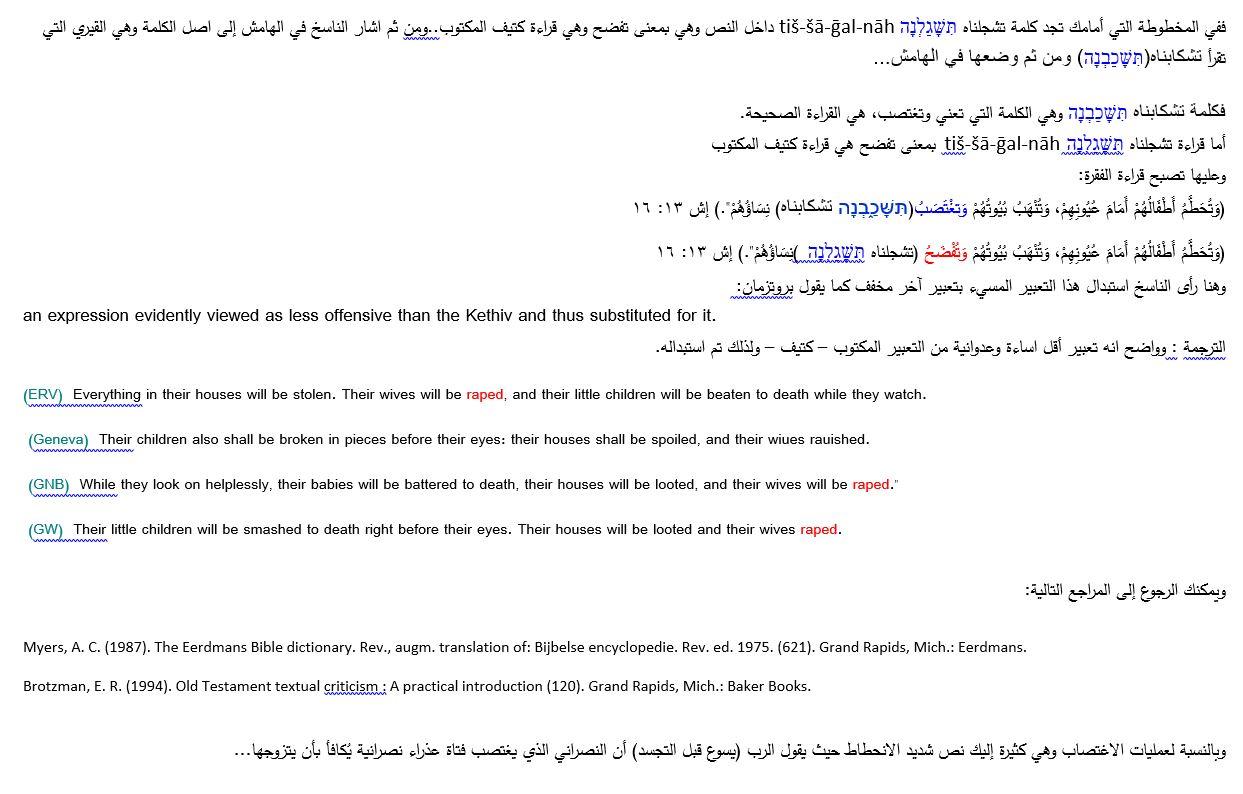
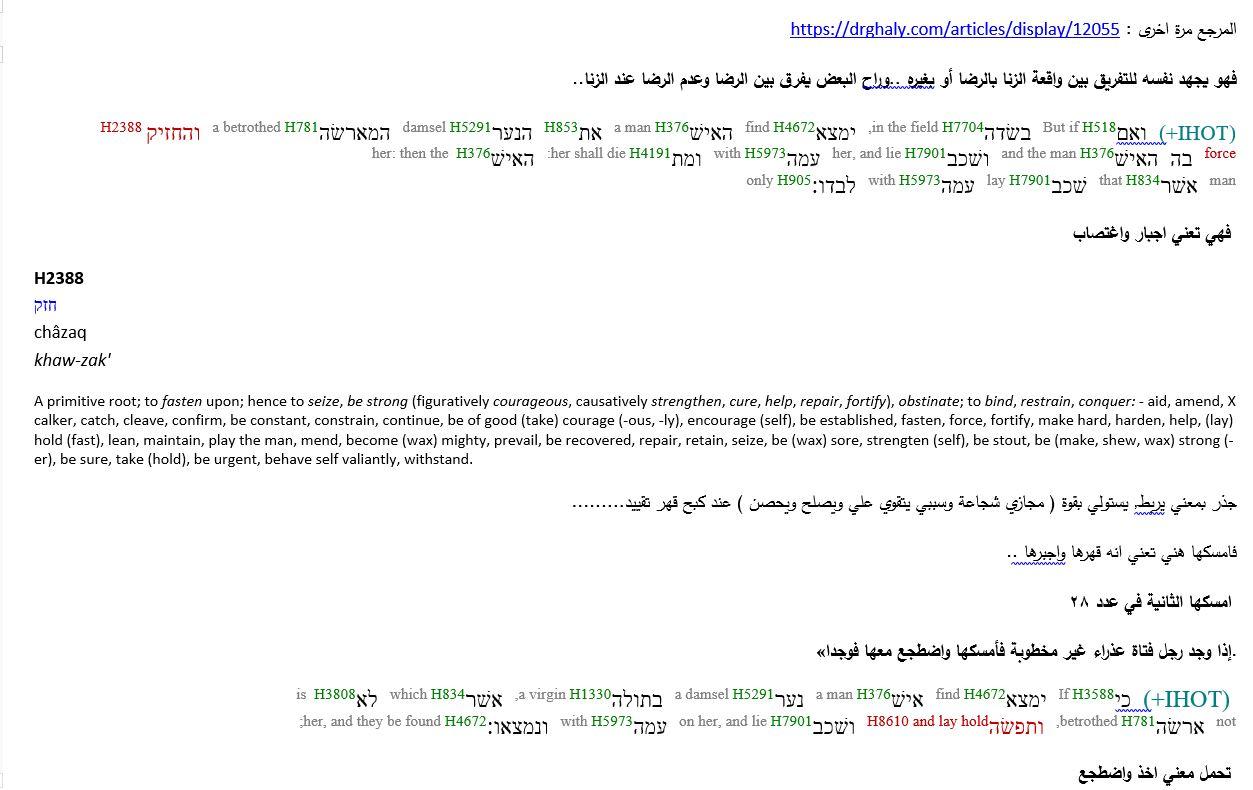
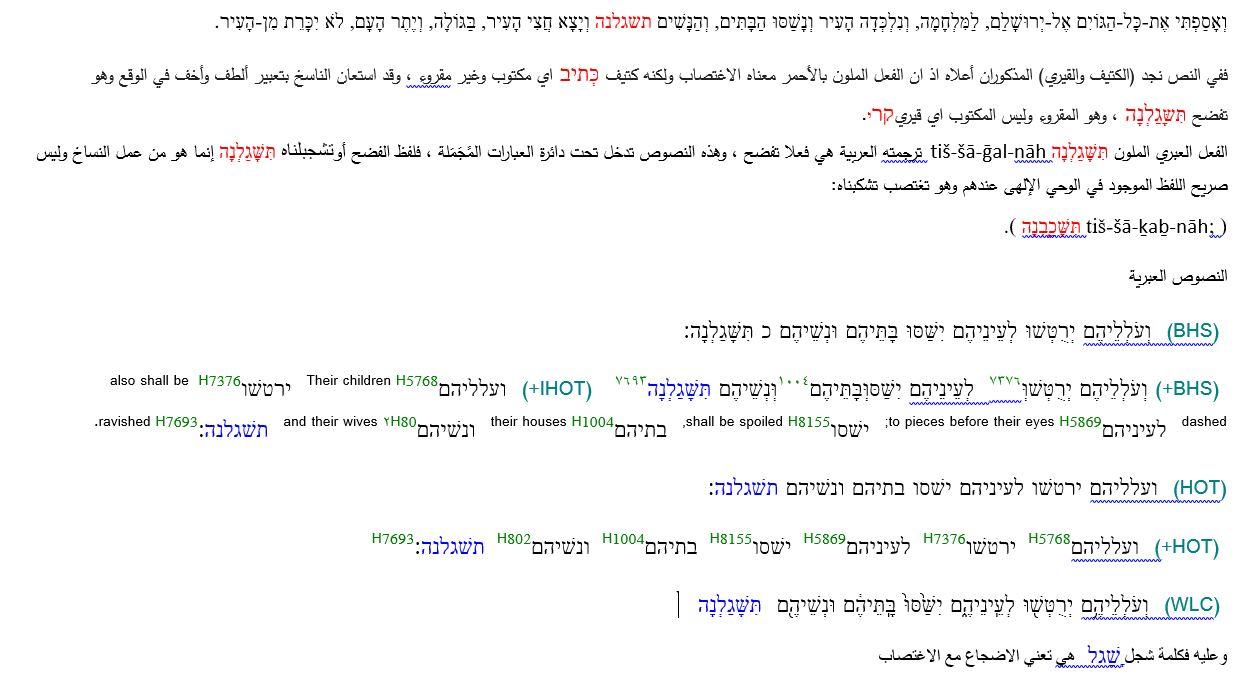 šāg̱al: A verb meaning to rape; to violate sexually. It refers to violating a betrothed woman, a woman promised in marriage, as one of God's curses that He will bring on Israel (Deu_28:30). It is used of raping or violating wives taken in war as prisoners (Isa_13:16; Zec_14:2). It is used figuratively of spiritual and religious harlotry of all kinds (Jer_3:2).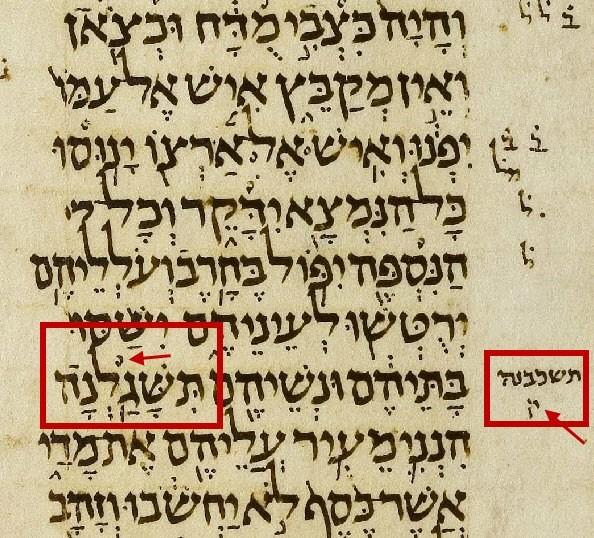
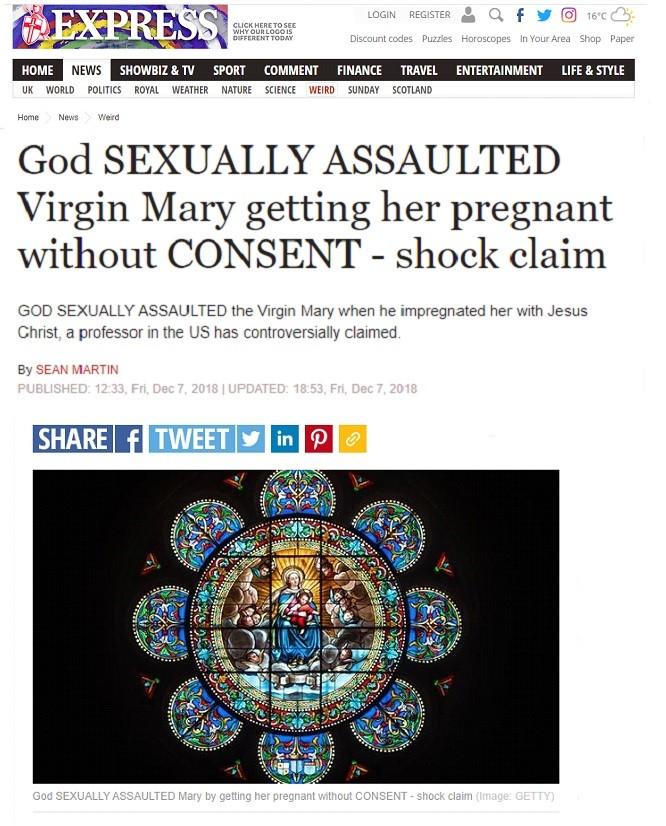
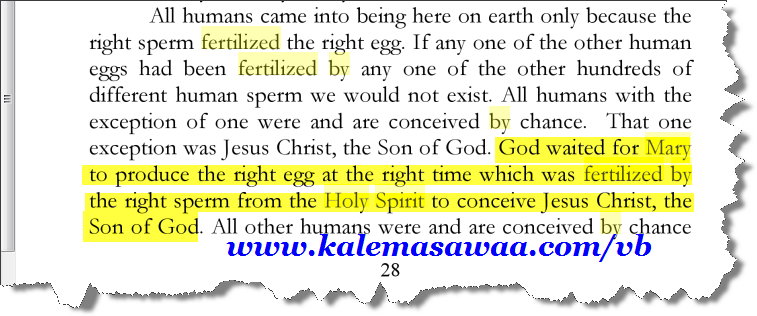
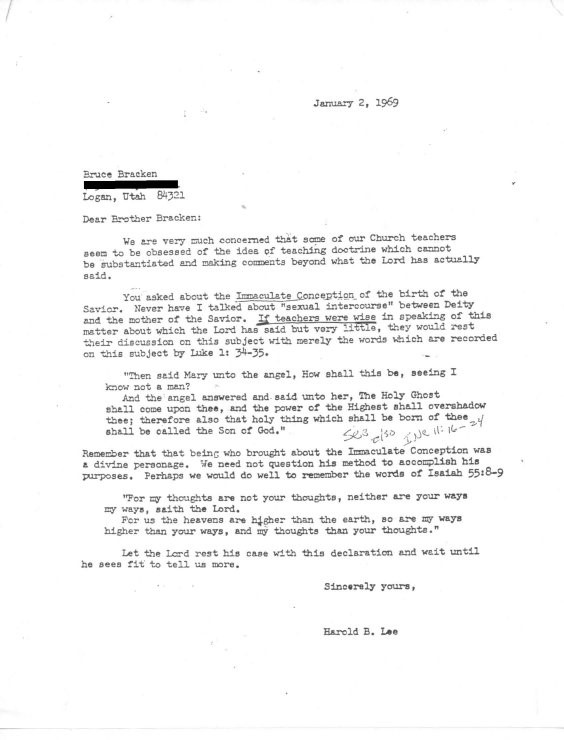
 God SEXUALLY ASSAULTED Virgin Mary getting her pregnant without CONSENT - shock claim


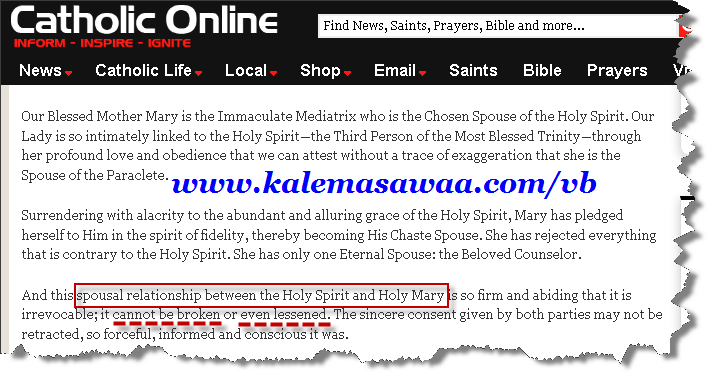
 7. عروس الروح القدس الطاهر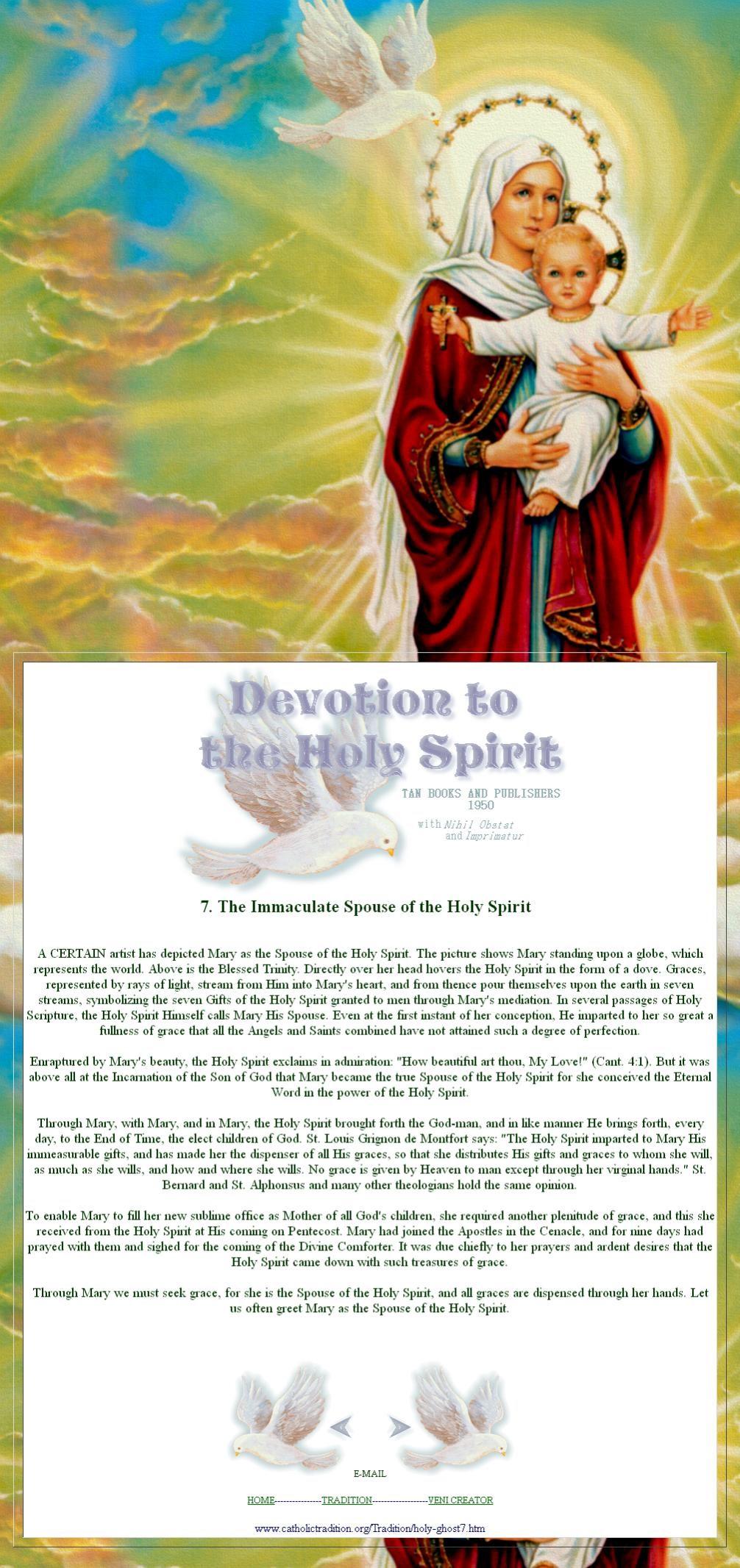

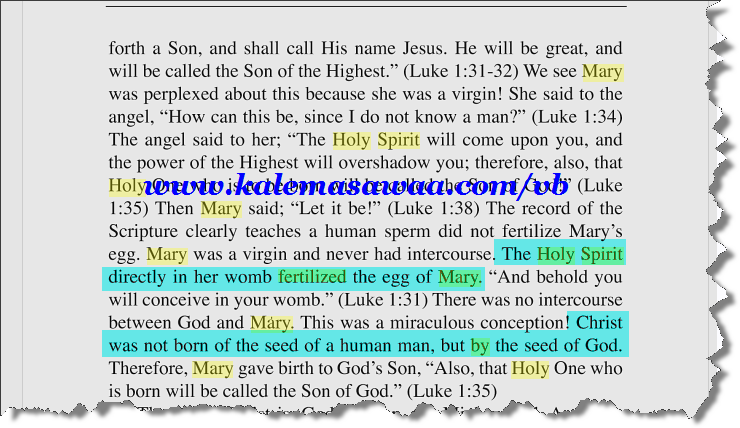




 Posts Tagged ‘God had sex with Mary’


تعليق