إعـــــــلان

تقليص
لا يوجد إعلان حتى الآن.

Who is Saudi Arabia in the Bible

تقليص
X
 
  • تصفية - فلترة
  • الوقت
  • عرض
إلغاء تحديد الكل
مشاركات جديدة

  • Who is Saudi Arabia in the Bible


    In the name of Allah our creator , god of Abraham , Moses , Jacob , Jesus and all prophets
    .


    Man
    y archeological and historical researchers and Bible commentaries have understood for a long time that the Arabs are descendants of Ishmael, son of Abraham and Sarah’s Egyptian maid, Hagar. We read the following prophecy about Ishmael in Genesis 16:7-12


    Many archeological and historical researchers and Bible commentaries have understood for a long time that the Arabs are descendants of Ishmael, son of Abraham and Sarah’s Egyptian maid, Hagar. We read the following prophecy about Ishmael in Genesis 16:7-12:
    “Now the Angel of the LORD found [Hagar] by a spring of water in the wilderness, by the spring on the way to Shur. And He said, ‘Hagar, Sarai’s maid, where have you come from, and where are you going?’ She said, ‘I am fleeing from the presence of my mistress Sarai.’ The Angel of the LORD said to her, ‘Return to your mistress, and submit yourself under her hand.’ Then the Angel of the LORD said to her, ‘I will multiply your descendants exceedingly, so that they shall not be counted for multitude.’ And the Angel of the LORD said to her: ‘Behold, you are with child, And you shall bear a son. You shall call his name Ishmael, Because the LORD has heard your affliction. He shall be a wild man; His hand shall be against every man, And every man’s hand against him. And he shall dwell in the presence of all his brethren’…”

    According to this prophecy, Ishmael’s descendants would be greatly and exceedingly multiplied; Ishmael [which means, literally, “God hears”] would be a wild man (literally, a wild ass); he would be against every man’s hand and every man’s hand would be against him (the ensuing conflicts would actually lead to the occupation of Arab tribes through the Turks and later the Europeans); and he would dwell “in the presence of all his brethren.” This last phrase can also be rendered as, “east of all his brethren.”

    Genesis 17:20 adds another important prophecy, where God’s promise to Abraham regarding Ishmael is cited as follows:
    “And as for Ishmael, I have heard you. Behold, I have blessed him, and will make him fruitful, and will multiply him exceedingly. He shall beget twelve princes, and I will make him a great nation.”
    We see that Ishmael would have twelve sons or princes, and that he would become a great nation—not twelve nations, as some have erroneously concluded.

    The Critical and Experimental Commentary by Jamieson, Fausset and Brown says: “… even in dwelling with his brethren, would he maintain his characteristic hostility; and… he shall… dwell in the presence of his brethren, viz, in Arabia.

    We read that subsequently, Abraham sent away his concubines and his sons of his concubines, including Hagar and Ishmael, “eastward… to the country of the east” (Genesis 25:6). It is commonly agreed that Hagar and Ishmael settled in the land which is known today as Saudi Arabia, where Ishmael also died “in the presence” or “east of” all his brethren (Genesis 25:18).

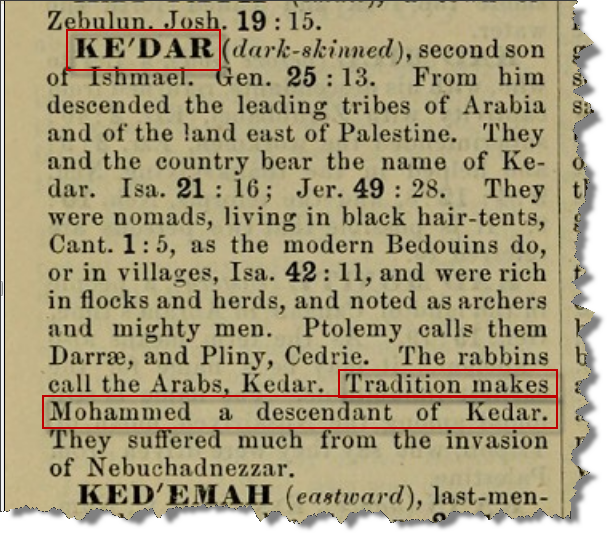
    The prophesied twelve sons or princes of Ishmael are listed in Genesis 25:12-16. They include Tema, Dumah and the most prominent son, Kedar (compare Ezekiel 27:21; Psalm 120:5; Isaiah 21:13-17). This means that Arabs are sometimes referred to in Scripture as Arabia; Ishmaelites; Hagrites or Hagarenes in the Authorized Version (descendants of Hagar, Psalm 83:6); or as the tents or princes or people of Kedar. As an aside, Ishmael’s daughter Mahalath or Basemath married Esau, the first-born son of Isaac and twin brother of Jacob (Genesis 28:9; 36:3).

    the main source :

    Church of the Eternal God


    الملفات المرفقة



    أنقر(ي) فضلاً أدناه :


    سُبحان الذي يـُطعـِمُ ولا يُطعَم ،
    منّ علينا وهدانا ، و أعطانا و آوانا ،
    وكلّ بلاء حسن أبلانا ،
    الحمدُ لله حمداً حمداً ،
    الحمدُ لله حمداً يعدلُ حمدَ الملائكة المُسبّحين ، و الأنبياء و المُرسلين ،
    الحمدُ لله حمدًا كثيراً طيّبا مُطيّبا مُباركاً فيه ، كما يُحبّ ربّنا و يرضى ،
    اللهمّ لكَ الحمدُ في أرضك ، ولك الحمدُ فوق سماواتك ،
    لكَ الحمدُ حتّى ترضى ، ولكَ الحمدُ إذا رضيتَ ، ولكَ الحمدُ بعد الرضى ،
    اللهمّ لك الحمدُ حمداً كثيراً يملأ السماوات العلى ، يملأ الأرض و مابينهما ،
    تباركتَ ربّنا وتعالَيتَ .


  • #2


    Psalms 66 : 1 - 3

    Make a joyful noise unto God, all ye lands
    Sing forth the honour of his name: make his praise glorious.
    All the earth shall worship thee, and shall sing unto thee; they shall sing to thy name.


    أنقر(ي) فضلاً أدناه :


    سُبحان الذي يـُطعـِمُ ولا يُطعَم ،
    منّ علينا وهدانا ، و أعطانا و آوانا ،
    وكلّ بلاء حسن أبلانا ،
    الحمدُ لله حمداً حمداً ،
    الحمدُ لله حمداً يعدلُ حمدَ الملائكة المُسبّحين ، و الأنبياء و المُرسلين ،
    الحمدُ لله حمدًا كثيراً طيّبا مُطيّبا مُباركاً فيه ، كما يُحبّ ربّنا و يرضى ،
    اللهمّ لكَ الحمدُ في أرضك ، ولك الحمدُ فوق سماواتك ،
    لكَ الحمدُ حتّى ترضى ، ولكَ الحمدُ إذا رضيتَ ، ولكَ الحمدُ بعد الرضى ،
    اللهمّ لك الحمدُ حمداً كثيراً يملأ السماوات العلى ، يملأ الأرض و مابينهما ،
    تباركتَ ربّنا وتعالَيتَ .


    تعليق


    • #3


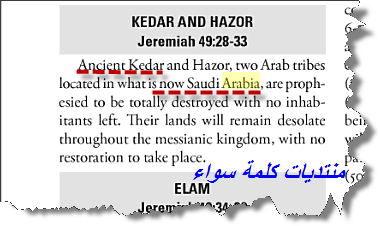
      The Popular Bible Prophecy Commentary
      Understanding the Meaning
      Tim F. LaHaye, Tim LaHaye, Edward E. Hindson

      page : 166


      أنقر(ي) فضلاً أدناه :


      سُبحان الذي يـُطعـِمُ ولا يُطعَم ،
      منّ علينا وهدانا ، و أعطانا و آوانا ،
      وكلّ بلاء حسن أبلانا ،
      الحمدُ لله حمداً حمداً ،
      الحمدُ لله حمداً يعدلُ حمدَ الملائكة المُسبّحين ، و الأنبياء و المُرسلين ،
      الحمدُ لله حمدًا كثيراً طيّبا مُطيّبا مُباركاً فيه ، كما يُحبّ ربّنا و يرضى ،
      اللهمّ لكَ الحمدُ في أرضك ، ولك الحمدُ فوق سماواتك ،
      لكَ الحمدُ حتّى ترضى ، ولكَ الحمدُ إذا رضيتَ ، ولكَ الحمدُ بعد الرضى ،
      اللهمّ لك الحمدُ حمداً كثيراً يملأ السماوات العلى ، يملأ الأرض و مابينهما ،
      تباركتَ ربّنا وتعالَيتَ .


      تعليق


      • #4


        أنقر(ي) فضلاً أدناه :


        سُبحان الذي يـُطعـِمُ ولا يُطعَم ،
        منّ علينا وهدانا ، و أعطانا و آوانا ،
        وكلّ بلاء حسن أبلانا ،
        الحمدُ لله حمداً حمداً ،
        الحمدُ لله حمداً يعدلُ حمدَ الملائكة المُسبّحين ، و الأنبياء و المُرسلين ،
        الحمدُ لله حمدًا كثيراً طيّبا مُطيّبا مُباركاً فيه ، كما يُحبّ ربّنا و يرضى ،
        اللهمّ لكَ الحمدُ في أرضك ، ولك الحمدُ فوق سماواتك ،
        لكَ الحمدُ حتّى ترضى ، ولكَ الحمدُ إذا رضيتَ ، ولكَ الحمدُ بعد الرضى ،
        اللهمّ لك الحمدُ حمداً كثيراً يملأ السماوات العلى ، يملأ الأرض و مابينهما ،
        تباركتَ ربّنا وتعالَيتَ .


        تعليق


        • #5
          المشاركة الأصلية بواسطة *اسلامي عزي* مشاهدة المشاركة

          The Popular Bible Prophecy Commentary
          Understanding the Meaning
          Tim F. LaHaye, Tim LaHaye, Edward E. Hindson

          page : 166


          أنقر(ي) فضلاً أدناه :


          سُبحان الذي يـُطعـِمُ ولا يُطعَم ،
          منّ علينا وهدانا ، و أعطانا و آوانا ،
          وكلّ بلاء حسن أبلانا ،
          الحمدُ لله حمداً حمداً ،
          الحمدُ لله حمداً يعدلُ حمدَ الملائكة المُسبّحين ، و الأنبياء و المُرسلين ،
          الحمدُ لله حمدًا كثيراً طيّبا مُطيّبا مُباركاً فيه ، كما يُحبّ ربّنا و يرضى ،
          اللهمّ لكَ الحمدُ في أرضك ، ولك الحمدُ فوق سماواتك ،
          لكَ الحمدُ حتّى ترضى ، ولكَ الحمدُ إذا رضيتَ ، ولكَ الحمدُ بعد الرضى ،
          اللهمّ لك الحمدُ حمداً كثيراً يملأ السماوات العلى ، يملأ الأرض و مابينهما ،
          تباركتَ ربّنا وتعالَيتَ .


          تعليق

          يعمل...
          X